
The Row’s Outlook Regarding Partnerships and Why They Remain Few and Far Between
Label collaborations have become a dependable source of revenue industry-wide, yet The Row has taken the contrary path. The label was built by Mary-Kate and Ashley Olsen on a ethos of restraint, and this same restraint dictates how — and whether — the brand collaborates with outside partners. Whereas rivals drop capsule collections with sneaker brands, artists, or other fashion houses every quarter, The Row has put out almost none. Far from an oversight, this scarcity is a intentional strategy — both business and creative — that drives every part of how the house operates, from its runway shows to the design of the row bags that anchor its accessories line.
The rarity of brand tie-ups at The Row makes sense through the brand’s beginnings, the label’s approach to pricing, and the brand’s enduring place within luxury fashion.
The pair behind the brand never intended to build a hype-driven label. Rather, their goal was to build something resembling a design studio — hushed, deliberate, and slow-moving on purpose.
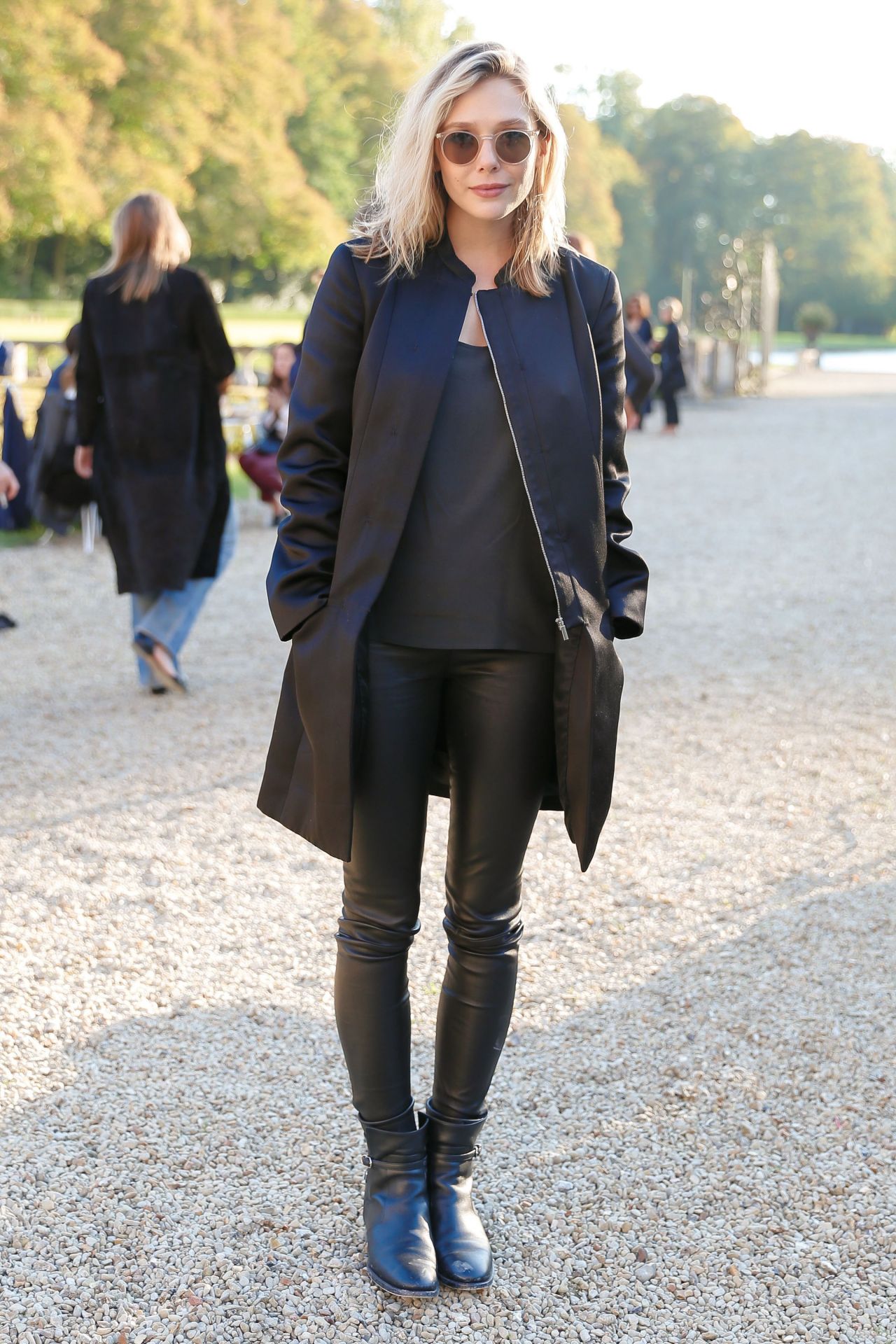
Subtle Extravagance Long Before the Term Existed: The Founding Outlook
The Row launched in 2006, years before “quiet luxury” became a marketing buzzword. From the beginning, the brand prioritized construction quality, fabric sourcing, and understated silhouettes over logos or seasonal gimmicks. This ethos naturally resists the collaboration model, which usually depends on visibility, novelty, and a limited-time sense of urgency.
Brand partnerships land best for names that flourish through pop-culture relevance — think limited sneaker launches or street-style crossovers that disappear off shelves in moments. By comparison, consistency the row 90s bag is what matters most to The Row’s customer base. Someone who owns three or four the row handbags isn’t looking for a co-branded novelty item; they’re looking for another piece that fits seamlessly into a wardrobe built over years, not seasons.
This helps explain why the row bags overview discussion among resellers and stylists seldom features capsule drops. The brand’s bag architecture — the Margaux, the Bourse, and the Soft Lock — was built to remain enduring instead of trend-driven. Lasting design and collaborative drops are, structurally speaking, often at odds.
Since joining the official schedule in 2015, its catwalk presentations have steered clear of dramatic set design and celebrity-heavy front-row show that often accompanies collab reveals at other houses. The overall show remains every bit as restrained as the product.
The Operating Logic Guiding Refusing
The Row grasps this better than most contemporary houses, since exclusivity in supply possesses monetary significance. When a brand collaborates too often, exclusivity erodes. Should the market gets saturated with scarce releases jockeying for buyer notice, resale values on staple pieces can dip. By maintaining a tight and consistent catalog, The Row has instead preserved the resale strength of its signature bag collections.
In practical terms, this carries real weight: the top-performing row bags — predominantly the Margaux in its various sizes, as well as the Bourse and Soft Clutch — hold value well specifically because they aren’t reissued in a rotating cast of colorways each year or altered to feature another name’s insignia pressed into the hardware. Someone buying the row bag now can reasonably expect that same shape to remain available, essentially as-is, three years from now.
The pricing strategy also explains this. The row handbags generally fall within the $2,000 to $6,000+ price band according to size, leather, and hardware finish. At that price tier, shoppers pay a premium for longevity and design integrity, rather than a stake in some cultural trend. A flashy collaboration would risk undermining the exact traits buyers pay extra to obtain.
From a business standpoint, this approach also reduces operational complexity. Co-branded projects call for reworked licensing terms, joint manufacturing coordination, and promotional budgets divided between two brands. The Row’s small, vertically controlled operation — said to have limited retail doors and a deliberately restricted wholesale footprint — isn’t designed to accommodate that kind of expansion.
The Few Collaborations That Have Happened
The Row isn’t entirely closed off to collaboration, but the instances are few and telling. Notably, the label has now and then dabbled in footwear and select material sourcing partnerships instead of loud, co-branded apparel collections. These initiatives are often so understated that everyday buyers looking into the row fashion frequently remain unaware a partnership occurred.
Compared to its peers, this is a clear departure. Fashion houses such as Louis Vuitton or Fendi have run numerous prominent designer collabs packed into a single year. In contrast, The Row’s method might see a single low-key collaboration spread over multiple years — and when it happens, it rarely pushes the news with big marketing pushes.
The scarcity of collaboration announcements also directly shapes buying behavior throughout a row sale. Because there’s no rotating cast of limited editions to chase, sale periods focus buyer attention squarely on core items — namely the tote bag, the Margaux, and its signature outerwear — rather than scattering focus among new, one-off releases.
This consistency has likewise made resale and consignment markets easier to navigate. Those looking to find the row Margaux bag on resale platforms can typically rely on the fact that pricing benchmarks are tied to consistent design language rather than being swayed by unpredictable collab-fueled trends.
How the Handbag Lineup Is Shaped By This
The absence of collaborations has enabled the label’s design team to focus entirely on perfecting a small number of shapes rather than repeatedly creating new ones for marketing cycles. Introduced in 2016, the Margaux is, even now, still among the label’s most sought-after styles — a rare feat in an industry where “it bags” usually fall out of favor within just a couple of years.
Its tote silhouettes follow the same logic. Rather than releasing a new tote silhouette every season, The Row has iterated slowly, refining dimensions, hardware and strap elements, or leather treatments while keeping the essential design intact. This is a clear break from brands that lean on collaboration-driven tote releases to manufacture seasonal buzz.
What follows is a side-by-side look at how The Row’s approach to bag releases diverges from a typical collaboration-driven luxury competitor.
| Factor | The Row | Standard Collaboration-Heavy Luxury Label |
|---|---|---|
| How often collaborations occur | Uncommon — sporadic partnerships that stay under the radar | Several annually, frequently high-visibility |
| Core bag silhouette lifespan | Often a decade or longer (e.g., Margaux since 2016) | Typically 2–3 years before redesign |
| Marketing approach | Minimal, understated, limited press amplification | Aggressive campaigns paired with influencer seeding |
| How steady resale prices remain | Fairly stable, thanks to a restrained release schedule | Can fluctuate with each new collaboration drop |
| Where the product is sold | Selective, limited doors and e-commerce presence | Broad wholesale and multi-brand retail exposure |
This comparison shows why shoppers looking into top row bags often encounter a more compact, more consistent lineup compared to competitors — and why that consistency is treated as a feature rather than a limitation.
What Shoppers in 2026 Should Know
For anyone considering a The Row purchase in 2026, the key point is straightforward: don’t anticipate a collaboration-driven release calendar, and focus your budget on core pieces rather than holding out for limited editions. The brand’s e-commerce site and select flagship stores remain the surest routes for genuine inventory, particularly for sought-after pieces such as the Margaux.
Because production runs are deliberately modest, the most in-demand sizes and leather options within the row bag range can sell out and take time to restock. Shoppers committed to securing a specific piece should keep a close eye on official sources rather than relying solely on third-party resellers, especially when trying to figure out where to buy the row Margaux bag in a specific size or leather.
Row sale periods, when they occur, tend to focus on ready-to-wear and select accessories rather than steep markdowns on the most coveted bag styles, reflecting the brand’s general reluctance toward anything that might dilute perceived value. This is consistent with how the brand handles every promotional effort — cautiously and infrequently.
At its core, how seldom The Row engages in collaborations isn’t a strategic void; it’s the throughline of the label’s whole identity. Within an industry crowded with collaborative chatter, choosing not to participate has turned into one of The Row’s most distinctive — and most quietly effective — deliberate choices.